Cart
Cart Products
<< Back to MOTIFvations Blog Home Page
Artificial Intelligence Helps to Identify a Novel PHD1/2 Inhibitor as a Potential Treatment for Inflammatory Bowel Disease
August 3, 2026
Share ShareTable of Contents:
Exploring The Problem of PHD Inhibition as an Inflammatory Bowel Disease Treatment Approach
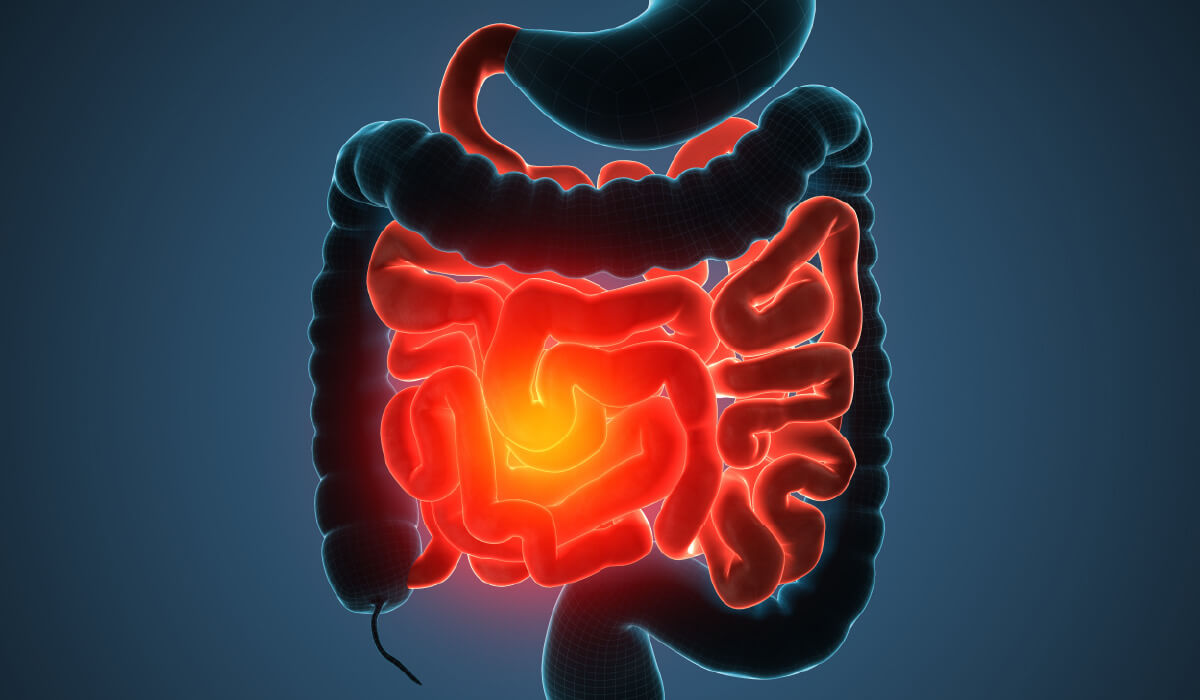
Inflammatory bowel disease refers to a group of conditions characterized by gastrointestinal inflammation and epithelial damage (Rudbaek et al. and Kaser et al.), with common disease types including ulcerative colitis and Crohn's disease. Unfortunately, patients with moderate-to-severe inflammatory bowel disease currently suffer from a lack of adequate treatment options, although targeted therapies that promote epithelial repair and reduce inflammation in the gastrointestinal tract represent interesting research avenues (Turner et al. and Bryant et al.).
In a step forward in this field, an artificial intelligence-based approach recently identified and prioritized the PHD1/PHD2-HIF1α axis as a therapeutic target in inflammatory bowel disease. The prolyl hydroxylase domain-containing proteins 1-3 (PHD1-3) - also known as Egl-9 Family hypoxia inducible factors 1-3 (EGLN1-3) - function as cellular oxygen sensors and regulate the levels of hypoxia-inducible factor (HIF) transcription factors and, as such, the expression of hypoxia-inducible genes. Of note, a range of studies have provided evidence for the relevance of PHD1/PHD2-HIF1α signaling in intestinal epithelial barrier function and colonic inflammation, in addition to the dysregulation of PHD protein activity by the inflammatory bowel disease-associated disruption of oxygen gradients (Lun et al., Van Welden et al., and Singhal & Shah). However, currently developed PHD inhibitors have failed to provide positive results in clinical trials, and systemic PHD inhibition suffers from safety risks and an increased risk of off-target adverse effects.
These problems prompted researchers led by Alex Zhavoronkov (Insilico Medicine) to step in and apply artificial intelligence – this time a multimodal generative artificial intelligence platform - in the hope of making further advances in PHD protein inhibition that may bring some respite to inflammatory bowel disease patients. Their recent study in Nature Biotechnology now describes the identification, development, and preclinical assessment of ISM012-042, an orally administered, gut-restricted, selective small-molecule inhibitor of PHD1/PHD2 with favorable preclinical safety and pharmacokinetic profiles (Fu et al.). Excitingly, the authors report that this new PHD1/PHD2 inhibitor effectively restored intestinal barrier function and alleviated gut inflammation in experimental colitis models, suggesting that ISM012-042 represents a safe and potentially effective treatment for moderate-to-severe inflammatory bowel disease.

ISM012-042: A Novel PHD1/2 Inhibitor and a Safe and Effective Treatment for Inflammatory Bowel Disease?
The authors began this exciting new study by applying a commercially available generative artificial intelligence platform - Chemistry42 (Ivanenkov et al.) - together with structural knowledge of PHD2 inhibitors (Takeda-17, JPHM-2-167, and molidustat) to generate a lead compound based on novelty, ease of synthesis, and robust PHD2 inhibition (Xu et al.), which they subsequently fine-tuned through structure-activity relationship optimization. Additional artificial Intelligence-based evaluations and predictions of absorption, distribution, metabolism, excretion, and toxicity ("ADMET") prompted the selection of ISM012-042 AS a lead candidate. The team described how an altered binding mechanism, compared with previously reported inhibitors, enabled ISM012-042 to inhibit the hydroxylase activity of PHD1/2 (as well as PHD3) and to robustly stabilize HIF1α, while providing some evidence of lower off-target risk.
In vitro cell-based assays then revealed that ISM012-042 treatment restored intestinal barrier function while reducing pro-inflammatory cytokine production. This success continued during in vivo evaluations; the authors observed the gut-restricted distribution of ISM012-042 in healthy and colitis-affected model mice and healthy rats, and a low drug-drug interaction risk and a favorable safety profile in healthy rats.
Furthermore, investigations of the in vivo efficacy of ISM012-042 in a mouse model of colitis (Wirtz et al.) revealed that this novel PHD1/2 inhibitor alleviated disease symptoms by restoring intestinal barrier function and inducing systemic anti-inflammatory activity, thereby restoring healthy colonic immune cell programs.
Finally, the team turned to an inflammatory bowel disease mouse model that mimicked the T helper cell type 2 response observed in human disease to evaluate the efficacy of ISM012-042; here, the discovered that prophylactic exposure improved disease symptoms, reduced signs of inflammation, and displayed safety (low systemic inhibition of PHDs) while treatment after the model reached maximum disease severity promoted disease remission, restored intestinal permeability, and improved colon gross pathology.
The Future of PHD1/2 Inhibition in Inflammatory Bowel Disease… and Beyond?
While this study highlighted the utility of artificial Intelligence-driven approaches to the identification, development, and preclinical assessment of the PHD1/2 inhibitor ISM012-042 for the treatment of inflammatory bowel disease, the authors also note the tunability and translatability of their strategy to other molecular design tasks in diseases/conditions with unmet clinical needs. Of notable interest, these findings also supported regulatory approval to initiate a phase 1 clinical trial (NCT06012578) of ISM012-042 in healthy patients, although the results have not been reported.
Importantly, the authors of this exciting study employed a range of recombinant proteins from the Active Motif catalog, including PHD1, PHD2, and PHD3 proteins, as well as JMJD2D, JMJD1B, and UTX proteins as part of the extended study. Additional relevant products from Active Motif that may support similar studies include AbFlex® PHD1 (EGLN2) and PHD2 (EGLN1) antibodies, the FLAG-Tag Recombinant PHD3 (EGLN3) protein, and a range of HIF-1 products.
About the author

Stuart P. Atkinson, Ph.D.
Stuart was born and grew up in the idyllic town of Lanark (Scotland). He later studied biochemistry at the University of Strathclyde in Glasgow (Scotland) before gaining his Ph.D. in medical oncology; his thesis described the epigenetic regulation of the telomerase gene promoters in cancer cells. Following Post-doctoral stays in Newcastle (England) and Valencia (Spain) where his varied research aims included the exploration of epigenetics in embryonic and induced pluripotent stem cells, Stuart moved into project management and scientific writing/editing where his current interests include polymer chemistry, cancer research, regenerative medicine, and epigenetics. While not glued to his laptop, Stuart enjoys exploring the Spanish mountains and coastlines (and everywhere in between) and the food and drink that it provides!
Contact Stuart on X with any questions
Related Articles
Can Combined EZH2 Inhibition and TET2/DNMT3A Targeted Therapeutics Fight Back Against Cancer-associated Chromatin Condensation?

June 24, 2026
New data link chromatin condensation to tumorigenesis and identify EZH2 inhibition and TET2/DNMT3A-targeted therapeutics as potential responses.
Read More
Measuring Ras-GTP: A Critical Readout for Next-Generation RAS Therapeutics
June 18, 2026
Once considered undruggable, RAS is now at the center of some of oncology's most exciting therapeutic advances—making accurate measurement of active Ras-GTP more important than ever.
Read More
New TET2 Research Describes a New Chromatin-Regulation Pathway and a Novel Cancer Target
June 11, 2026
A new vulnerability in TET2-mutant leukemia has emerged. Targeting MBD6 significantly impaired leukemia cell growth and reversed disease-related defects in mouse models, opening the door to novel treatment strategies.
Read More
<< Back to MOTIFvations Blog Home Page